Capital Appreciation vs Rental Yield: What Luxury Buyers Should Optimise
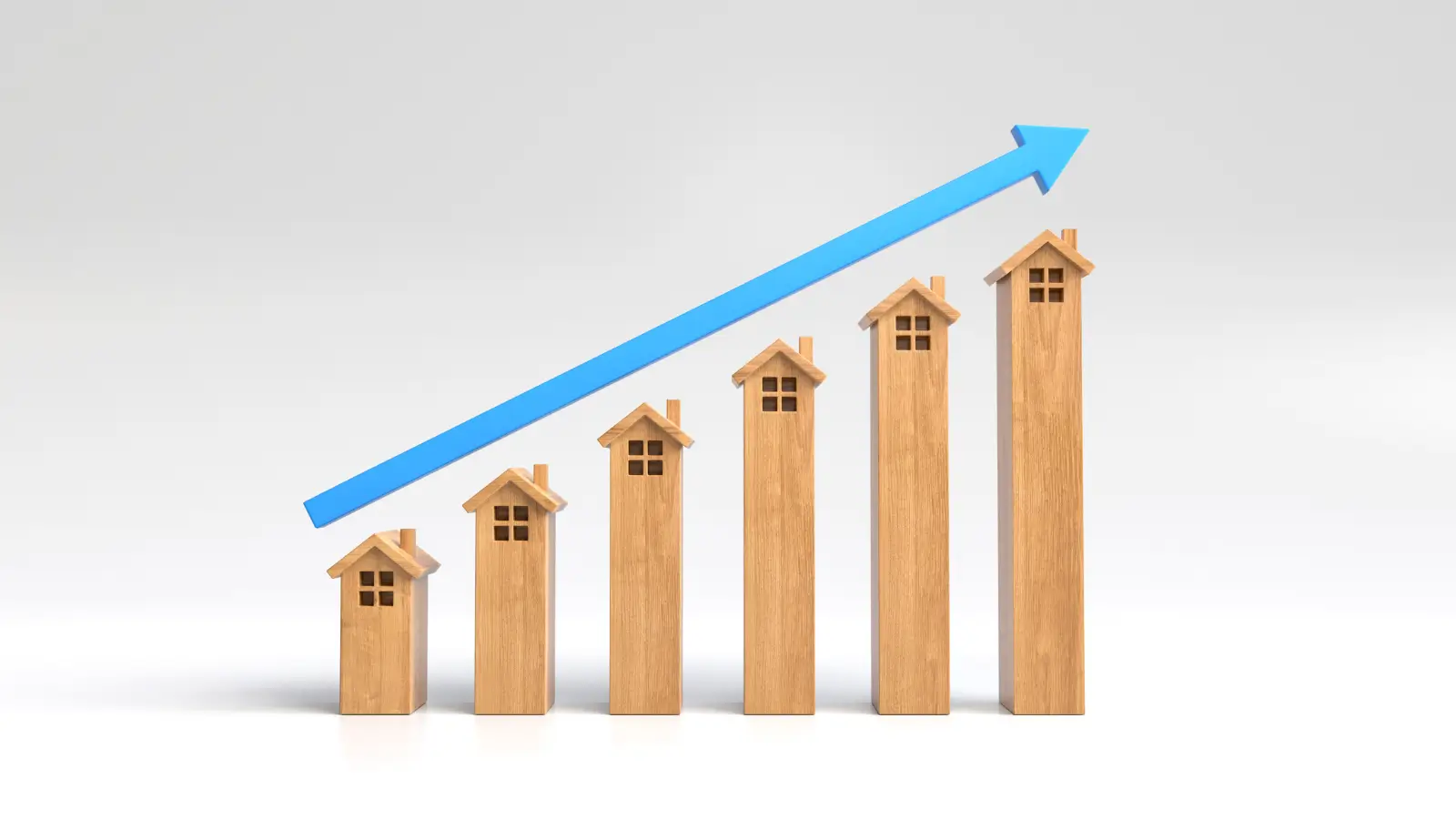
Two returns come out of residential property, and they rarely arrive in equal measure. Weighing capital appreciation vs rental yield luxury homes deliver...
Two returns come out of residential property, and they rarely arrive in equal measure. Weighing capital appreciation vs rental yield luxury homes deliver is the clearest way to decide what a purchase at this level is actually for, because optimising for one usually means accepting less of the other.
Appreciation has carried this micro-market. Yelahanka has posted roughly 20% price appreciation over one year, about 57% over three, close to 88% over five and around 149% over ten. Base-case projections run 8–12% per annum, rising toward 15–20% across the metro-commissioning window as Namma Metro Phase 2B Blue Line approaches its mid-2026 target. Those are micro-market figures rather than guarantees, and they blend segments — but the direction has been consistent across a full decade.
Yield tells a quieter story. Rental returns at the A-class developer benchmark run 3.5–4% per annum of property cost semi-furnished and 4–4.5% furnished, supported by corporate leasing from Manyata Embassy Business Park, the KIADB Aerospace Park and Karle Town Centre SEZ, plus the expatriate catchment around Stonehill International School. Both figures are gross. Net of community charges, corpus contributions, furnishing capital and vacancy between corporate tenancies, what reaches an owner is materially lower.
At Rs 22 Cr and above, appreciation dominates for structural reasons. Rental markets price on utility, and utility does not scale linearly with house size — a 7,000 sft mansion does not command double the rent of a 3,500 sft villa, though it may cost considerably more than double. Capital values, by contrast, respond to land scarcity, which is exactly where this format's advantage sits. Yield compresses as you move up the market; appreciation does not necessarily.
Practically, that suggests one framing. Buy for end use and for the land component, treat appreciation as the primary financial return, and regard the leasing pool as optionality rather than income — the ability to hold and let rather than sell during a soft window. We are not investment advisers and this is not investment advice; model it against your own position and take professional counsel. Reviewing the price bands and total cost gives you the cost side of that calculation.
Related reading: Yelahanka Property Appreciation: 1, 3, 5 and 10 Year Trends.
FAQs
Which matters more at this price point, appreciation or yield?
Appreciation. Rental markets price on utility, which does not scale linearly with house size, so yield compresses as ticket size rises.What yields do luxury villas here achieve?
Roughly 3.5–4% per annum of property cost semi-furnished and 4–4.5% furnished at the A-class benchmark, both gross of costs.What appreciation has the micro-market delivered?
Roughly 20% over one year, about 57% over three, close to 88% over five and around 149% over ten, with base-case projections of 8–12% per annum.
Related Articles

Infrastructure Spending in Bangalore and What It Does to Property
Transport investment reprices land more reliably than almost any other public spending, which is why Bangalore infrastructure spending real estate...

Stamp Duty and GST on Property in Karnataka: A Buyer's Guide
Two statutory charges apply to almost every property purchase in the state, and at ultra-luxury ticket sizes they stop being administrative details. Stamp...

How RERA Changed Home Buying in Karnataka
Before registration became mandatory, a buyer's main protection was the developer's reputation. Understanding how RERA changed home buying Karnataka...

North Bangalore's Growth Corridor: Airport, SEZs and Industry
Corridors form where transport, employment and land availability overlap, and North Bangalore growth corridor development has had all three for the better...